Manuka Honey Magic!
Welcome to Manuka Honey Magic.
This article explores the unique origins, remarkable properties, and lasting appeal of New Zealand Manuka honey.
Discover where Manuka honey comes from, the special Manuka tree behind it, and why this honey is so highly valued around the world. We also look at the role of methylglyoxal (MGO), one of the key compounds associated with Manuka honey’s distinctive activity profile, as well as the research interest surrounding its antibacterial and soothing properties.
You’ll also learn about common quality grading systems, including UMF and MGO, and why they matter when choosing genuine Manuka honey. Whether you are new to Manuka honey or simply want to understand it better, this guide offers a clear introduction to one of New Zealand’s most celebrated natural products.
Discovering Mānuka Honey: Its New Zealand Origins, the Remarkable Mānuka Tree, and Why It Is So Highly Valued
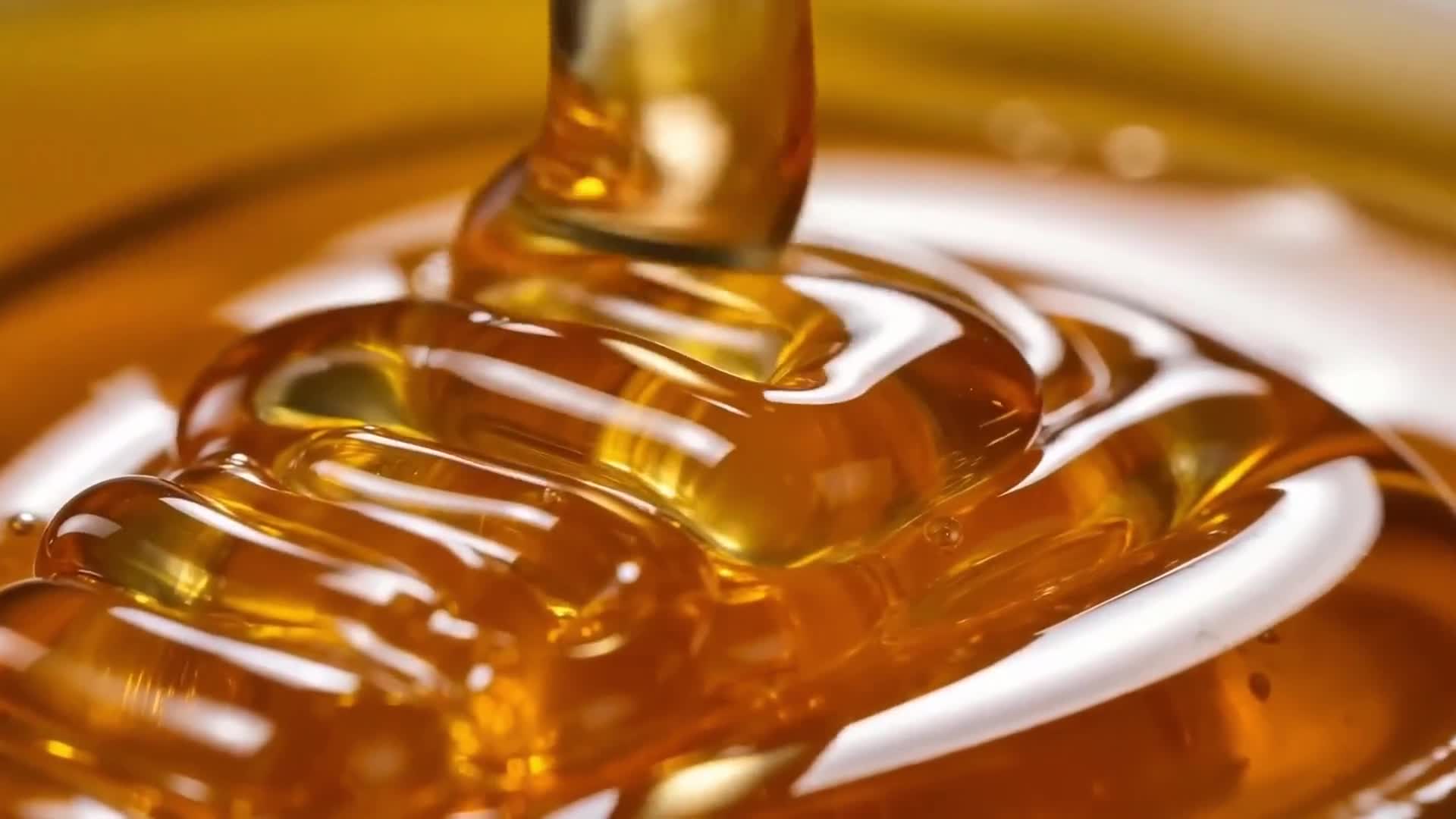
Mānuka honey has become one of New Zealand’s most internationally recognised natural products. Prized for its rarity, distinctive character, and scientific interest, it is far more than just another honey variety. Genuine New Zealand mānuka honey comes from bees foraging on the nectar of the mānuka plant, Leptospermum scoparium, and its authenticity is important enough that New Zealand has established a formal scientific definition for honey exported as mānuka honey.
What makes mānuka honey especially intriguing is that its value is built on several layers at once: botanical origin, New Zealand provenance, limited production conditions, and a body of research exploring its unique chemical profile and biological activity. This combination has helped position mānuka honey as one of the world’s most premium and closely scrutinised honey categories.
What is Mānuka Honey?
Mānuka honey is a monofloral or multifloral honey derived from the nectar of the mānuka plant. In New Zealand, honey labelled as mānuka for export must meet a scientific definition administered by the Ministry for Primary Industries (MPI). That definition uses a combination of chemical markers and a DNA marker from mānuka pollen to distinguish genuine mānuka honey from other honey types. This regulatory framework is one reason New Zealand mānuka honey is trusted globally for authenticity.
Unlike conventional table honey, mānuka honey is widely discussed in relation to its unique non-peroxide antibacterial activity and its signature compounds, especially methylglyoxal, or MGO. While all honey has natural properties shaped by its floral source, mānuka honey stands apart because its chemistry has been studied extensively and linked to its distinctive activity profile.
The Mānuka Tree: A Special Plant from New Zealand’s Landscape
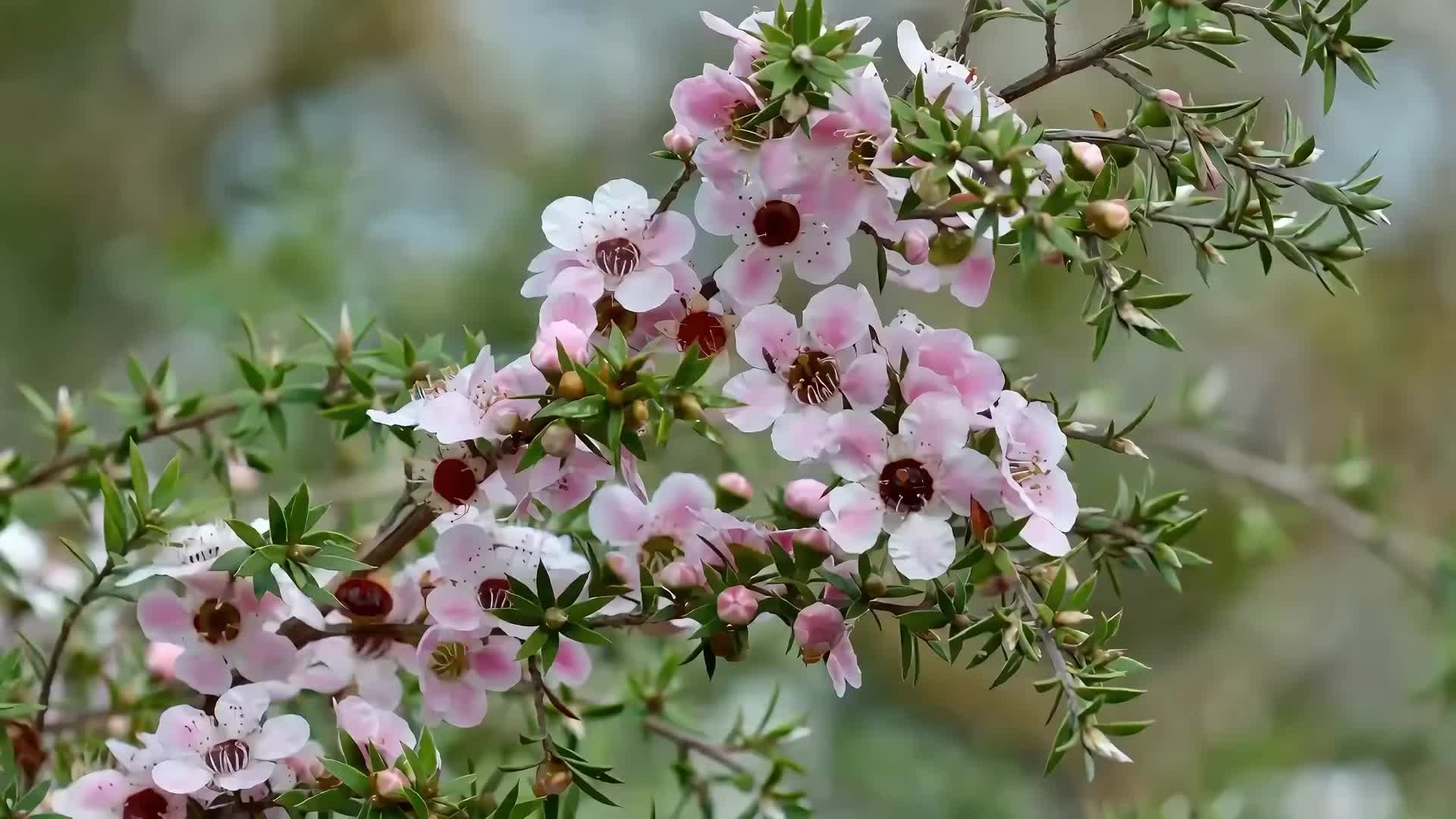
The mānuka plant, Leptospermum scoparium, is a hardy shrub or small tree that is widespread across New Zealand. It grows in a broad range of environments, including dry hillsides, wetlands, river gravels, and exposed sites, and is known for tolerating drought, frost, strong winds, and poor soils. Its resilience is part of what makes it such a defining plant within the New Zealand landscape.
Mānuka is also ecologically important. It is often described as a pioneer species in New Zealand, helping regenerate land after disturbance. Its ability to thrive in challenging conditions contributes to the distinctive environments in which mānuka honey is produced. For consumers, this creates a strong connection between the honey and the clean, rugged, and botanically unique landscapes of New Zealand.
Why is Mānuka Honey So Precious?
Mānuka honey is valued not simply because it is rare, but because it combines rarity with measurable quality markers and a strong origin story. The mānuka flowering season is limited, production is influenced by natural conditions, and the honey must pass recognised authenticity criteria if it is to be sold as genuine New Zealand mānuka honey for export. These factors make supply more constrained than ordinary honey and help explain why it commands a premium.
Its premium status is also reinforced by consumer demand for verified quality. In the mānuka category, labels are not just marketing language; buyers often actively look for certification systems and testing standards that indicate authenticity, purity, and activity. That demand for traceability has become central to the reputation of New Zealand mānuka honey worldwide.
MGO: The Compound People Most Often Associate with Mānuka Honey
One of the most recognised indicators on a mānuka honey label is MGO, short for methylglyoxal. MGO is considered one of the key compounds associated with mānuka honey’s antibacterial activity, and higher MGO levels are commonly used to signal greater potency within the category. Research and industry grading systems alike have helped make MGO one of the most familiar reference points for consumers.
That said, MGO is only part of the picture. The overall quality and authenticity of mānuka honey are not defined by a single number alone. The UMF grading system, for example, evaluates mānuka honey more comprehensively by considering factors such as potency, authenticity, freshness, and shelf life, rather than relying on MGO by itself. This is important because MGO values can change over time, and MGO alone does not independently verify New Zealand origin or whether the activity is naturally derived from genuine mānuka honey.
What Makes Mānuka Honey Different from Regular Honey?
All honey contains natural sugars and bioactive compounds, and many honeys have long histories of traditional use. What distinguishes mānuka honey is the degree of scientific attention it has received for its chemistry and biological properties. Reviews of the literature consistently highlight its antimicrobial potential, its unique profile compared with many other honeys, and its importance as a high-value natural product.
This does not mean mānuka honey should be treated as a cure-all. A more accurate and credible way to understand it is that mānuka honey is a distinctive natural food with an unusually well-studied composition, and that some of its properties have attracted scientific and medical interest, especially in topical and wound-care contexts.
Antibacterial Properties: Why Mānuka Honey Attracts So Much Interest
Mānuka honey is best known for its antibacterial activity. Scientific reviews have found that it can inhibit the growth of a range of microorganisms, and researchers have explored its effects even in relation to difficult or resistant strains in laboratory and topical-care settings. This is one of the major reasons it has become so prominent in both scientific literature and consumer awareness.
Much of this discussion centres on topical use and controlled research settings. That distinction matters. Strong antibacterial activity in laboratory studies or medical-grade wound products should not be simplistically translated into broad treatment claims for everyday food use. For responsible consumer communication, it is better to say that mānuka honey is widely studied for its antibacterial properties and valued for its naturally active profile.
Anti-Inflammatory and Wound-Care Interest
Another reason mānuka honey is so highly regarded is its association with wound-care research. Reviews of medical and scientific literature describe honey, including medical-grade honey and mānuka-based wound products, as being of interest for maintaining a moist wound environment, supporting debridement, and contributing to antimicrobial control. Anti-inflammatory effects are also often discussed in this context.
However, it is important to separate medical-grade topical use from ordinary food honey. When discussing mānuka honey on a consumer website, the most defensible position is not to present it as a medicine, but to explain that mānuka honey has attracted significant research interest in professional wound-care settings because of its distinctive natural activity.
A Popular Choice for Sore Throat and Everyday Seasonal Comfort
Honey has long been used as a soothing food, especially when the throat feels dry or irritated. Reputable medical guidance notes that honey may help lessen coughs in children over one year of age and can be used as a simple soothing option. This broader evidence applies to honey generally rather than mānuka honey alone, but it helps explain why many people choose mānuka honey during colder months or when seeking everyday throat comfort.
For brand communication, this is a useful distinction: rather than claiming that mānuka honey “treats” throat conditions, it is more accurate to say that many people enjoy it as a premium honey traditionally used for soothing support and seasonal wellness rituals. Any mention of honey should also preserve the important safety note that honey must not be given to infants under 12 months of age.
What About Digestion and Immunity?
Consumers often associate mānuka honey with digestive wellness and immune support, but the evidence here is more mixed and still developing. Recent research notes that people do report using mānuka honey for gastrointestinal symptoms, yet clinical evidence supporting such use remains limited. Some preclinical findings are promising, but they do not justify strong treatment-style claims on a food website.
The same caution applies to immunity language. Because mānuka honey contains compounds that are being studied for antimicrobial, antioxidant, and anti-inflammatory effects, it is often discussed in the broader context of wellness. But a careful and credible brand message should frame mānuka honey as a high-quality natural honey with a distinctive active profile, rather than making direct promises about boosting immunity.
Understanding UMF and MGO on the Label
For shoppers new to the category, the two most common terms on mānuka honey labels are UMF and MGO. MGO refers specifically to the measured concentration of methylglyoxal. UMF, by contrast, is a broader independently certified grading system used for New Zealand mānuka honey, designed to evaluate multiple dimensions of quality including potency, authenticity, purity, freshness, and shelf life.
In practical terms, MGO gives consumers one helpful potency indicator, while UMF offers a more complete quality assurance framework. That is why many experienced buyers look for recognised UMF certification when they want assurance that the honey has been independently assessed beyond a single chemical reading.
Why Genuine New Zealand Mānuka Honey Continues to Matter
Mānuka honey is often described as special, but what truly sets it apart is not mystique alone. It is the product of a specific plant, a distinctive natural environment, a rigorous authenticity framework, and a growing body of scientific interest. Together, these elements give genuine New Zealand mānuka honey a reputation that few honey varieties can match.
For many people, choosing mānuka honey is about more than sweetness. It is about origin, trust, and the appeal of a natural product whose quality can be traced back to both landscape and science. Whether enjoyed by the spoonful, stirred into a warm drink, or selected as part of a premium wellness routine, mānuka honey continues to hold a special place among natural foods from New Zealand.
References
New Zealand Ministry for Primary Industries. Ensuring Mānuka Honey Is Authentic.
New Zealand Ministry for Primary Industries. Mānuka Honey Science Definition.
New Zealand Ministry for Primary Industries. Criteria for Identifying Mānuka Honey – Summary Report.
Department of Conservation, New Zealand. Mānuka/Kahikātoa and Kānuka: Native Plants.
Te Ara – The Encyclopedia of New Zealand. Mānuka, Kānuka and Gorse.
UMF Honey Association. UMF vs MGO.
UMF Honey Association. Unique Mānuka Factor (UMF) Grading System Explained.
UMF Honey Association. UMF Certification Comparison.
Johnston M, et al. Antibacterial Activity of Manuka Honey and Its Components.
Hegazi NM, et al. The Super-Food Manuka Honey: A Comprehensive Review of Its Properties, Processing, and Applications.
Alvarez-Suarez JM, et al. The Composition and Biological Activity of Honey: A Focus on Manuka Honey.
White R. Manuka Honey in Wound Management: Greater Than the Sum of Its Parts?
Tashkandi H, et al. Honey in Wound Healing: An Updated Review.
Yaghoobi R, et al. Evidence for Clinical Use of Honey in Wound Healing as an Anti-Bacterial, Anti-Inflammatory, Anti-Oxidant and Anti-Viral Agent.
Tsang KK, Kwong EWY. The Anti-Inflammatory and Antibacterial Action of Nanocrystalline Silver and Manuka Honey in Diabetic Foot Ulcer Management.
Mayo Clinic. Honey: An Effective Cough Remedy?
Mayo Clinic. Honey.
Ombasa L, et al. Impact of Mānuka Honey on Symptoms and Quality of Life in Functional Dyspepsia.
Ogwu MC, et al. Honey as a Natural Antimicrobial.